The Genesis of Your Sailing Journey
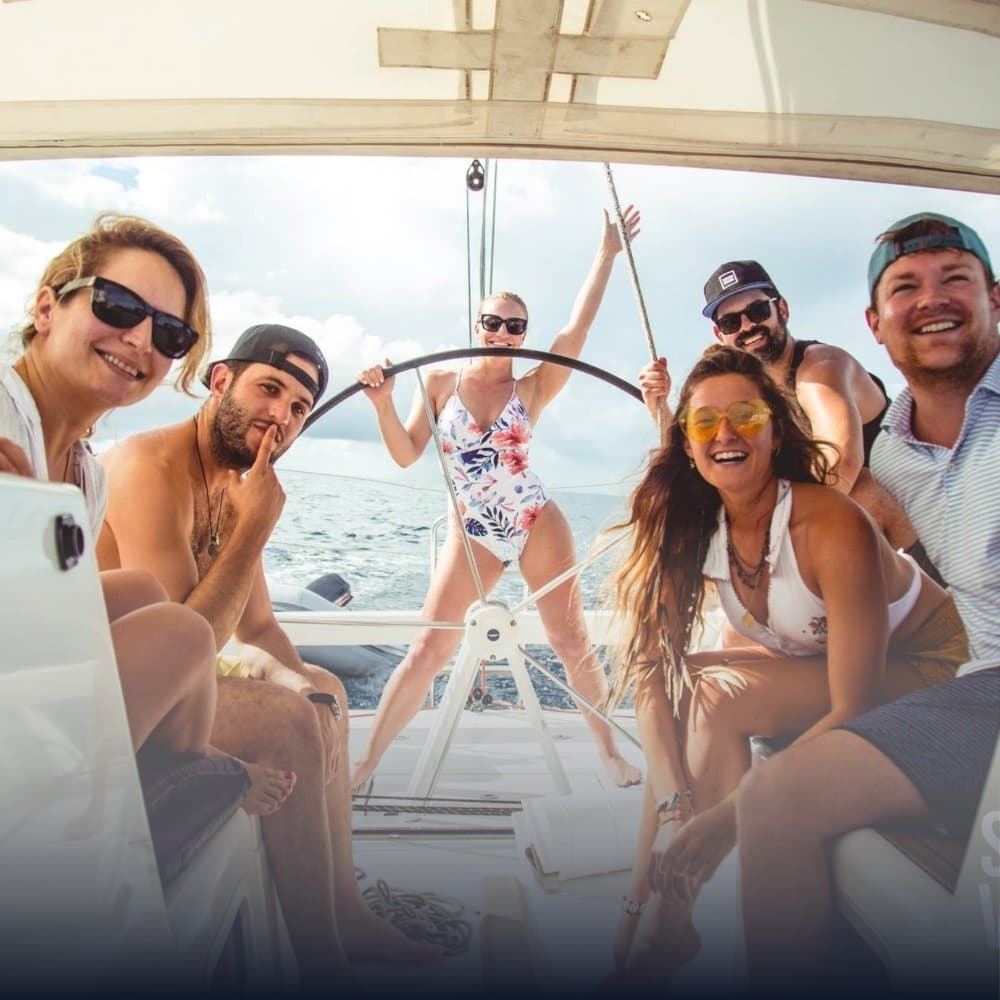
"Why sailing?" you may ask. Why not snorkeling, or climbing, or simply lounging on some beach somewhere with a cocktail in hand? Well, sailing offers a unique cocktail of adventure, freedom, and zen. It's you, your vessel, the wind, and the endless cerulean blue. Sailing unchains you from the earthly tethers, leaving you free to chart your own course, navigate by the stars, or simply go where the winds of curiosity may guide you.
And the best part? Everyone starts at the same place – as a sailing virgin. The seas don't care if you're a lawyer, a barista, an entrepreneur, or a beekeeper; in the eyes of the ocean, we're all equal. This post is here to guide you, aspiring sailor, on the initial steps towards your first sailing adventure.
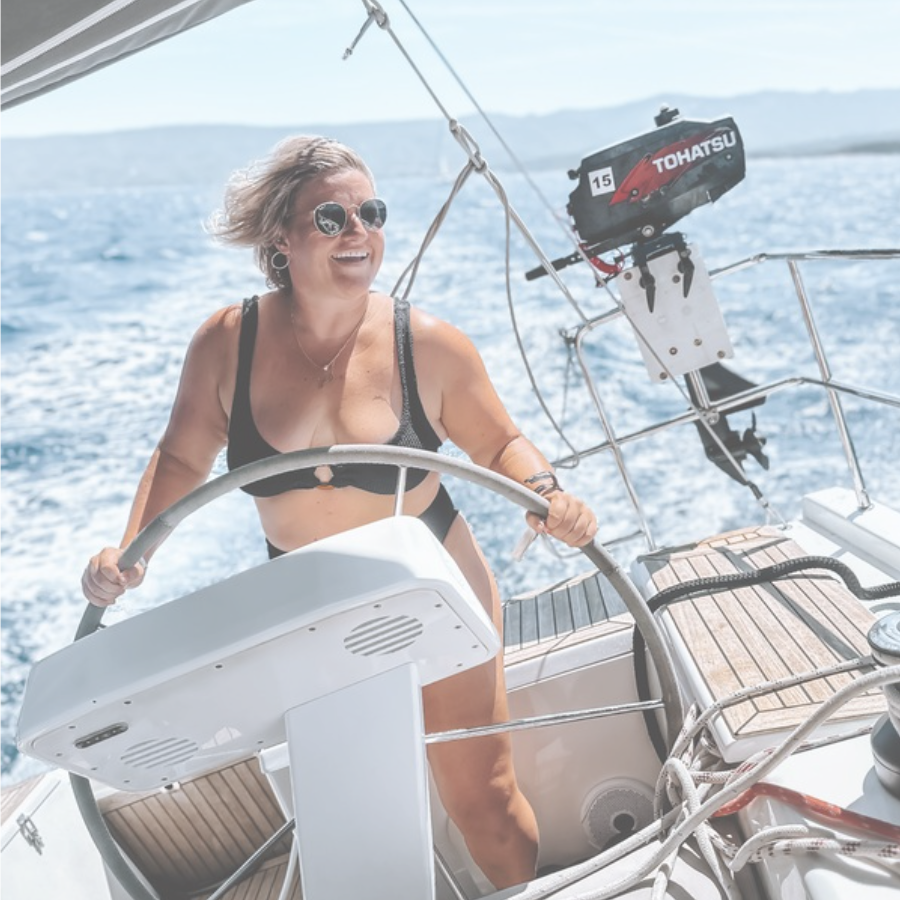
Understanding Sailing: Basic Terminology
Before we dip our toes into the water, it's essential to familiarize ourselves with some basic sailing lingo. Don't worry; we're not going to drown you in sailor speak. Just a few key terms to get us started:
- Bow – the front of the boat.
- Stern – the rear of the boat.
- Port – the left side of the boat when you're facing forward.
- Starboard – the right side of the boat when you're facing forward.
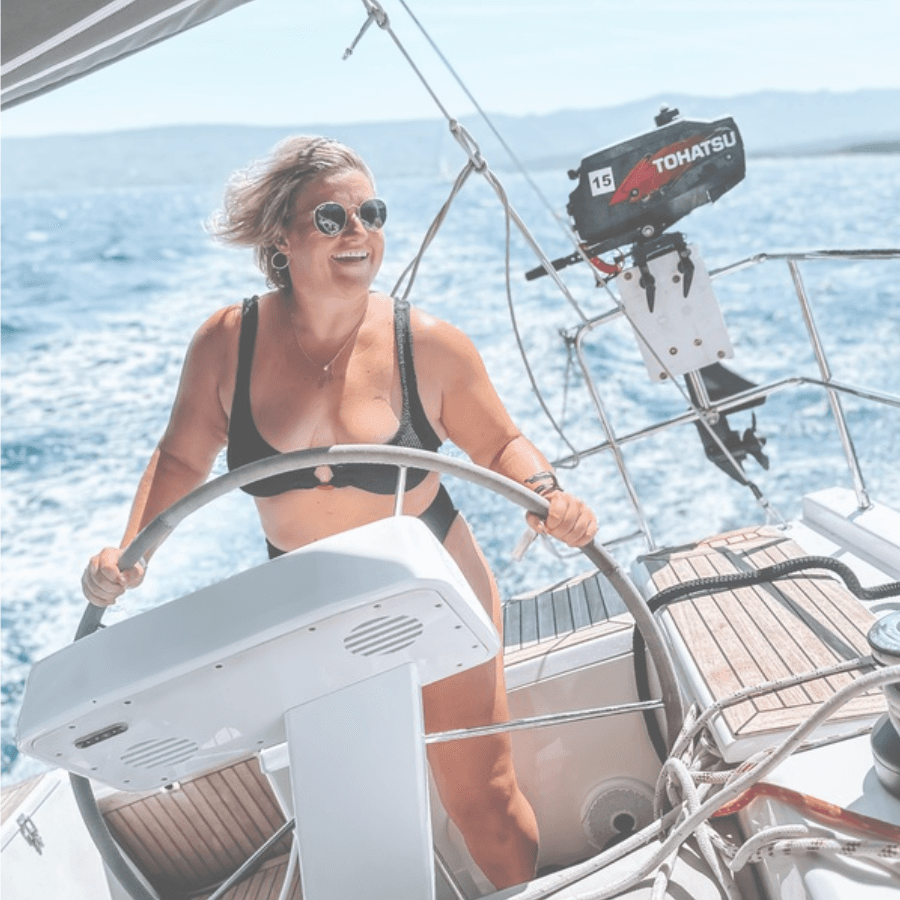
- Helm – the wheel or tiller controlling the rudder.
- Rudder – the part of the boat that steers.
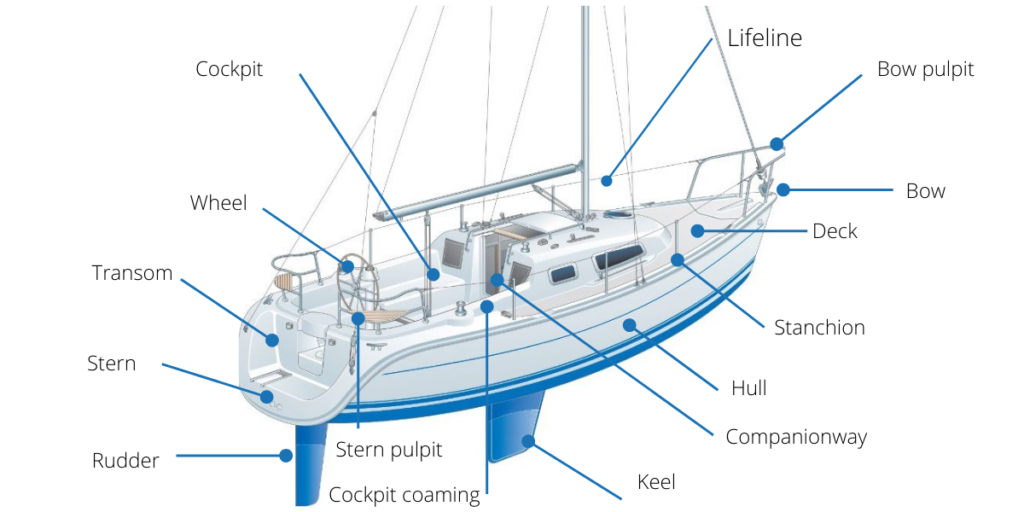
This might seem overwhelming at first, but remember, even the most seasoned sailor started with these basics. And don’t worry if you don’t memorize them right away. As with any new language, immersion is the best teacher, and you’ll be fluent before you know it.
Learning the Ropes: Basic Skills Every Sailor Should Know
You've gotten a taste of the language, and now you're probably wondering about the practical part. What are the fundamental skills every sailor should know?
Let's start with knot tying. There are countless knots, each with its specific use, but as a beginner, you should master these three: the bowline (known as the 'king of knots'), the clove hitch (for fastening a rope to a post), and the figure-eight knot (used as a stopper knot). Why are these knots so important? Well, the bowline can be tied and untied easily under load – it's the one to use when your life depends on it. The clove hitch is a temporary knot, perfect for tasks that require speed. The figure-eight knot is simple yet strong, the perfect knot to prevent a line from slipping out of sight.
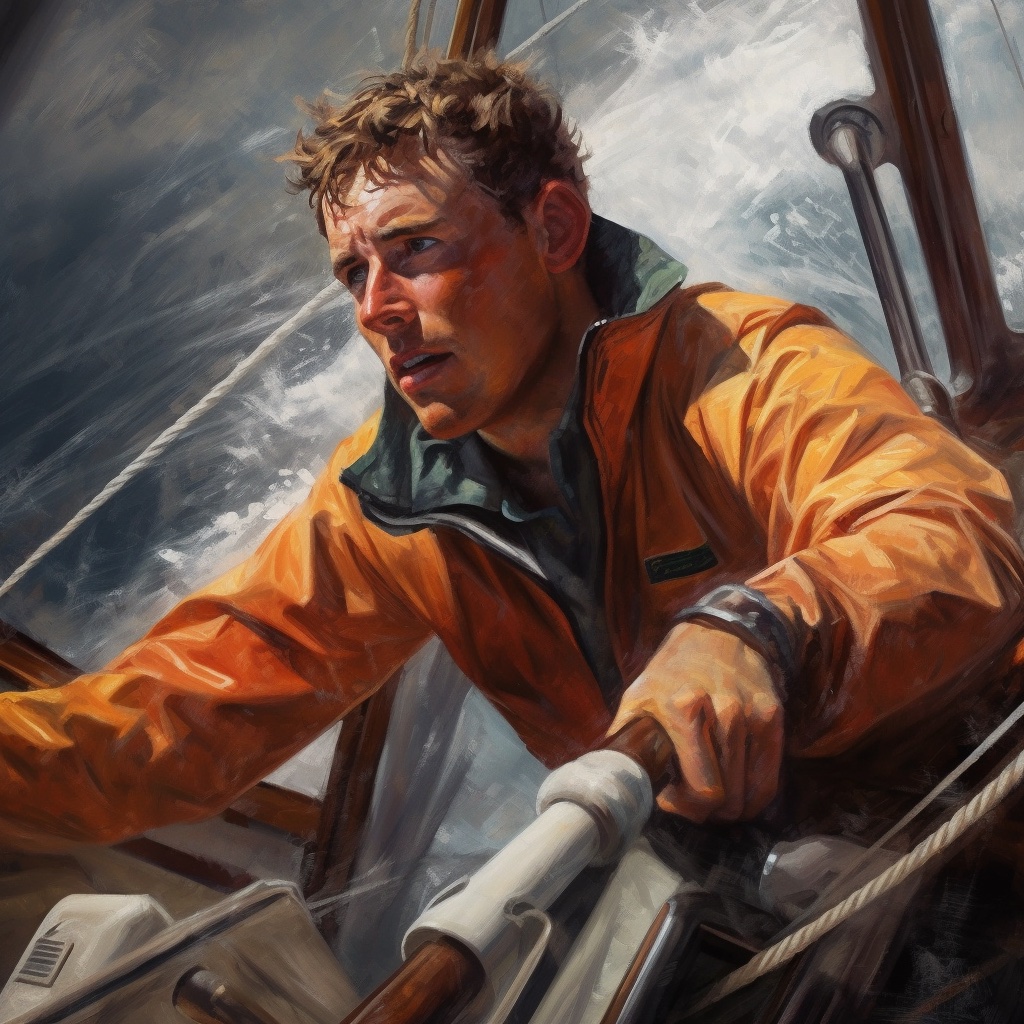
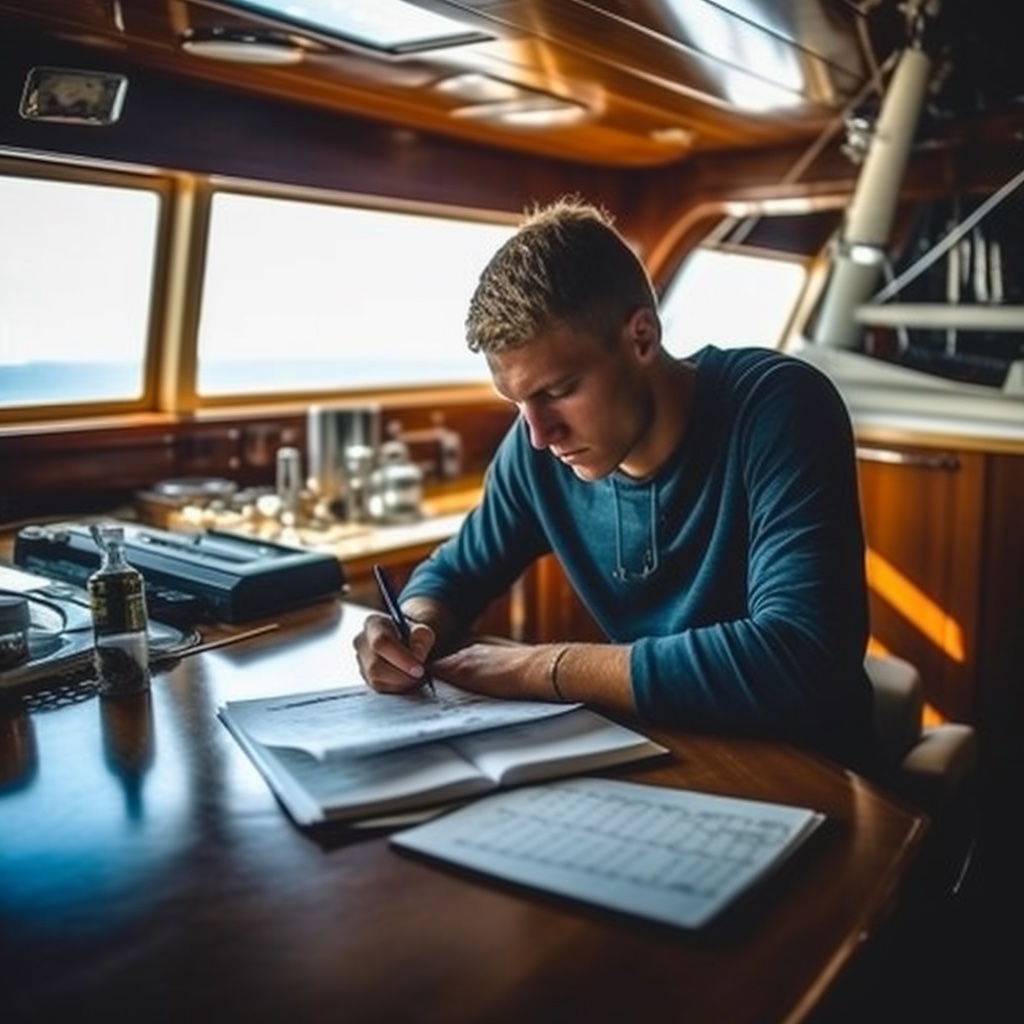
Next up is nautical navigation. In an age of GPS and Google Maps, this might seem a bit archaic, but trust us, there's nothing like the feeling of charting your own course on the open seas. You'll need to understand how to read a nautical chart, identify channel markers and buoys, and use a compass.
Finally, you'll want to familiarize yourself with basic weather forecasting. As a sailor, the weather isn't just a small talk topic; it's vital information that can make or break your journey. Understanding cloud formations, wind direction, and barometric pressure changes can help you anticipate what the skies have in store.