The Genesis of Two Designs
In the world of sailing, the debate between monohulls and catamarans is a tale as old as time. The history of these two iconic designs stretches back to antiquity, reflecting the evolution of human innovation and our insatiable desire for exploration.
The monohull's genesis lies in the early days of human seafaring. Traditional cultures from the Mediterranean to the South Pacific have all used some form of monohull craft for fishing, trade, and exploration. The monohull's sleek, single-hulled design, characterized by a deep keel and distinct bow and stern, offers an efficient shape for cutting through waves. Over centuries, the monohull design has been refined and perfected, culminating in the magnificent yachts we see gracing our waters today.

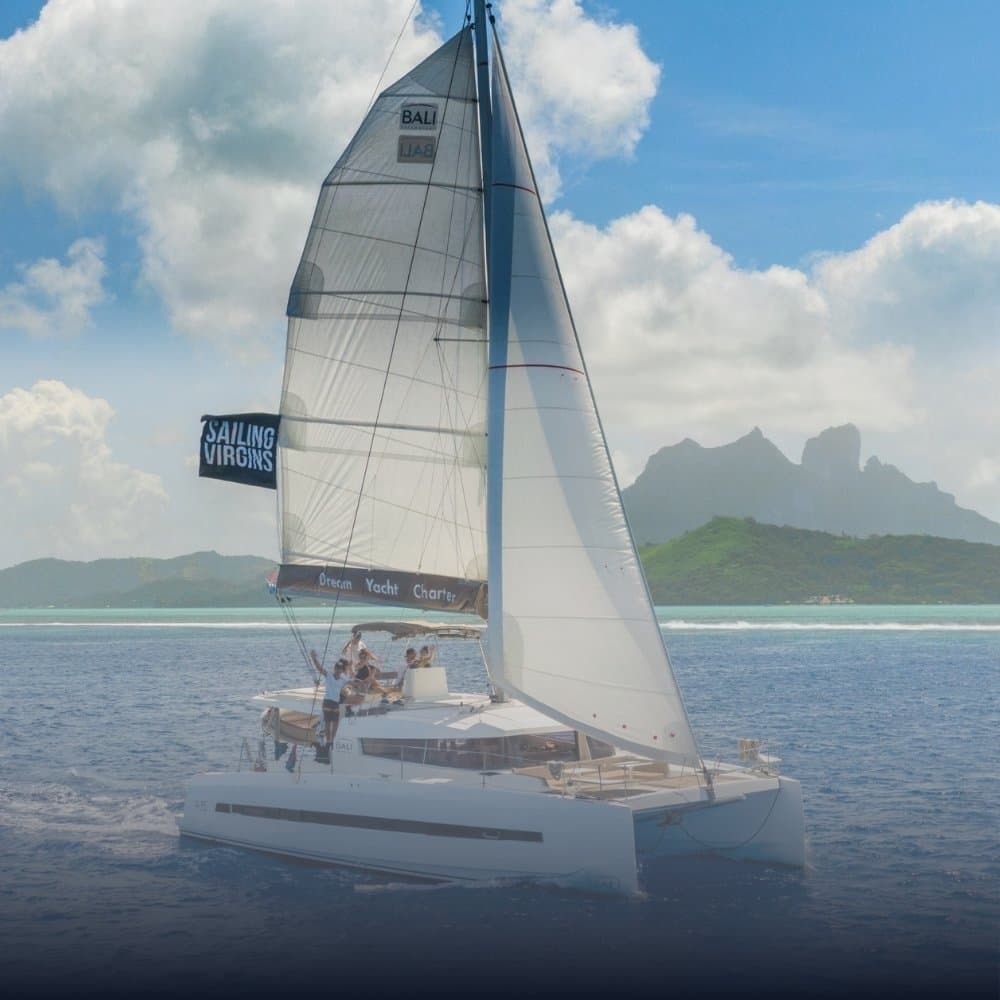
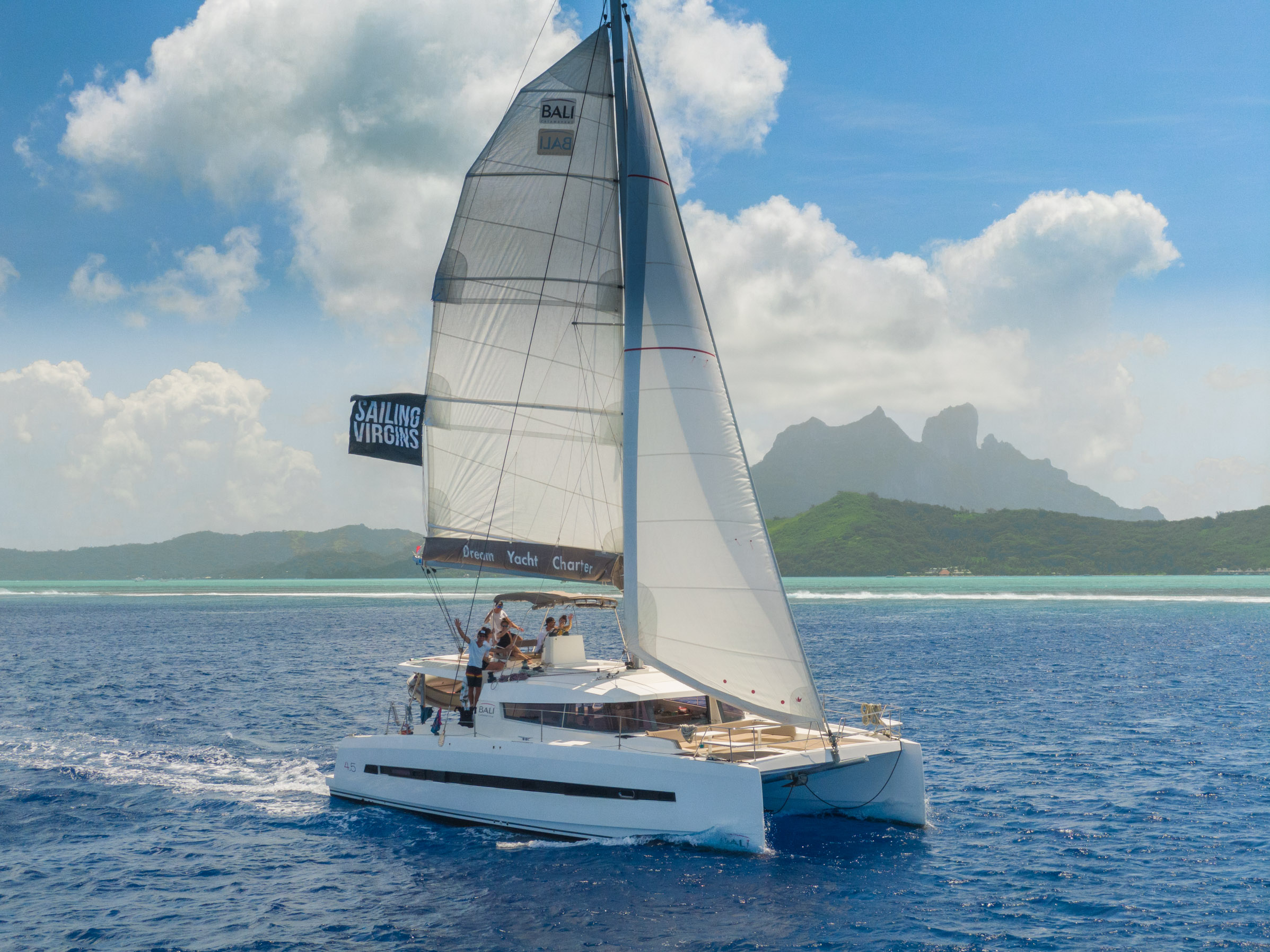
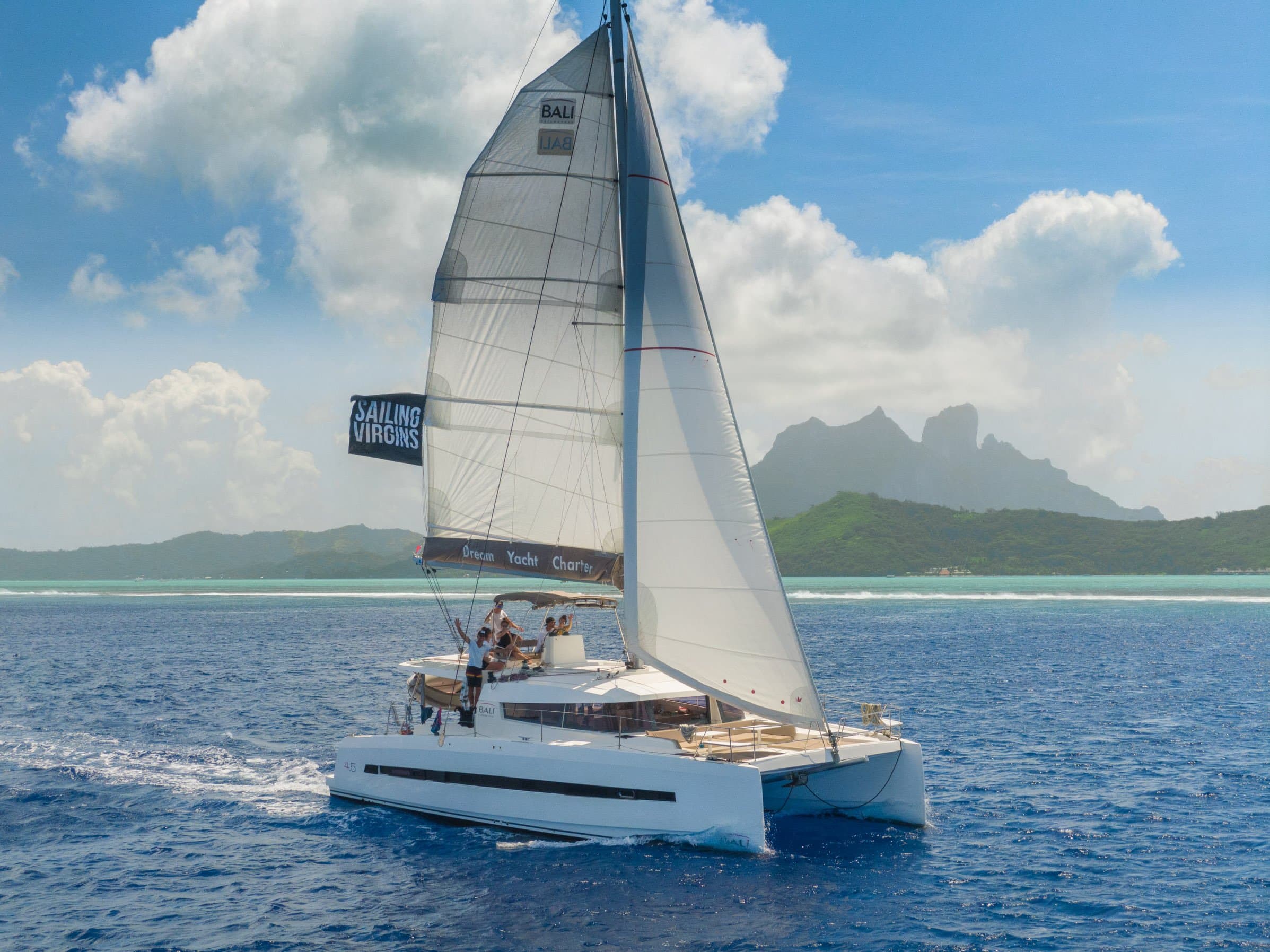
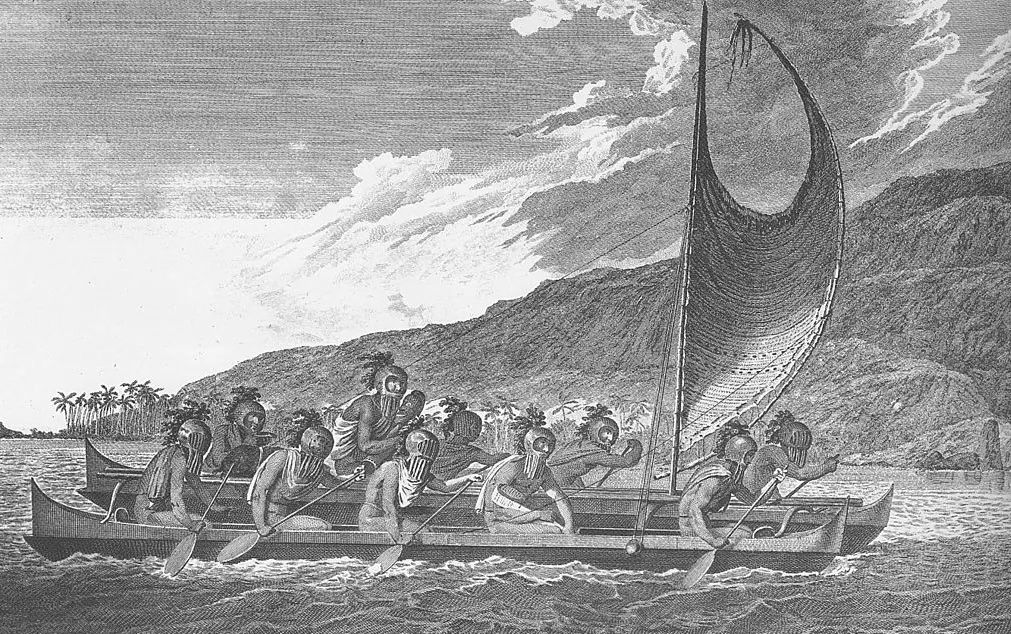
On the other hand, the catamaran, a vessel with two parallel hulls, boasts a legacy equally steeped in seafaring history. Its origins can be traced back to the outrigger canoes used by ancient Austronesian cultures.
The word 'catamaran' itself is derived from the Tamil word 'kattumaram', which loosely translates to 'logs tied together'.
These innovative sailors discovered that by adding a second hull, they could greatly improve the stability and speed of their vessels, a design principle that holds true to this day.
Exploring the Monohull Design
Stepping into the present, let's delve deeper into the modern monohull design. Its traditional single hull offers a quintessential sailing experience that's hard to match. Monohulls are typically seen as the embodiment of the romantic sailing ideal, thanks to their elegance and the graceful way they heel under sail.
One of the major benefits of monohulls lies in their seaworthiness. Their deep keels provide excellent stability, allowing them to handle heavy seas and high winds effectively. In addition, the keel acts as a counterbalance, enabling the boat to right itself after being heeled over by a gust of wind. This 'self-righting' characteristic is a significant safety feature exclusive to monohulls, adding a level of reassurance when navigating challenging sea conditions.
Monohulls are also known for their responsive handling and satisfying sailing performance. The mono-hulled design cuts cleanly through waves, resulting in a smooth and predictable ride. If you're the type of sailor who enjoys feeling the wind and waves' raw power, the visceral connection that a monohull provides is unparalleled.
However, as with everything in life, monohulls also have their downsides. For one, space can be at a premium. The deep keel and the rounded hull shape necessary for stability and performance take up much of the interior volume, leaving less room for living space compared to a similarly sized catamaran.
Another consideration is the heeling motion. While some sailors love the feeling of a boat leaning into the wind, others may find it uncomfortable or disorienting, especially during prolonged passages.
Despite these trade-offs, monohulls continue to hold their charm for many, offering a blend of tradition, performance, and adventure that has stood the test of time. In the next part of this deep dive, we'll shift our focus to the twin-hulled wonder of the sailing world: the catamaran.